
I remember the good Hibiscus Tragedy of 2018. It wasn't a natural disaster. It was me. I stood there later than a bag of high-nitrogen pellets and a "more is better" attitude. I didn't see at a label. I didn't measure. I just threw handfuls of blue crystals following I was seeding a cloud. Three days later, my prize-winning blooms looked in the same way as theyd been hit by a blowtorch. That was the daylight I realized cultivation isn't just art. It is chemistry. You wouldn't give a positive response ten ibuprofen for a serene headache, right? thus why reach we pull off that to our plants? You are likely here because youre weary of the guesswork. Youre asking yourself, How Can I well add Fertilizer Using A Dosage Guide? It sounds with a sober topic. It sounds later tall moot algebra. But trust me, behind you master the accurate fertilizer application process, your garden becomes a powerhouse.
Before you lie alongside a scoop, you have to see at those three numbers upon the bag. They are the holy trinity of plant nutrition. Nitrogen, Phosphorus, and Potassium. Most people see 10-10-10 and think its a balanced meal. It is. But is it what your soil needs? Probably not. An NPK ratio tells you the percentage of each element by weight. To use a dosage guidelines packet effectively, you must comprehend your baseline. I started using the Soil-Sync Method. Its a trick I speculative from an old-school citrus farmer in Florida. He told me to taste the soil. (Don't actually attain that, it's gross and probably full of worms). What he designed was to test the soil nutrient levels back even thinking very nearly a bottle.
If you don't know whats already in the ground, you are in the air blind. Buying a soil test kit is the first step toward measuring forest nutrients following any genuine precision. If your soil is already screaming behind phosphorus, tally a "bloom booster" is basically toxic. Its past pouring water into a glass thats already full. It just spills higher than and ruins the table. In this case, the "table" is your local watershed. Sustainable gardening starts later than knowing later than to stop.
So, you have your dosage guidelines. Now what? Most guides are written for "ideal conditions." The problem? Nobody lives in an ideal world. Your backyard isn't a laboratory. To acquire the accurate fertilizer application right, you compulsion to calculate the actual square footage of your root zones. I next spent an entire Saturday measuring my flower beds similar to a laser level. My neighbors thought I was insane. maybe I am. But my hydrangeas have never been bigger.
First, calculate your area. If you have a 10x10 bed, thats 100 square feet. If the sack says "1 pound per 1000 square feet," you unaccompanied obsession 0.1 pounds. That is a tiny amount. Its usually about two tablespoons. Most people would toss a comprehensive mug in there. That is how you get fertilizer burn. Its a chemical dehydration of the roots. Its longing to watch. To prevent this, I always recommend the "Half-Strength Rule." I on always clip the recommended liquid fertilizer dilution in half. Why? Because you can always ensue more. You can never undertake it back. similar to those salts are in the soil, they are there until they wash away or kill something.
The biggest mistake is the "eyeball" method. We every reach it. We think we know what a tablespoon looks bearing in mind in our hand. We don't. I actually bought a dedicated set of measuring spoons for my shed. Don't use the ones from your kitchen unless you gone the taste of chelated iron in your soup. Using a dosage guide requires exactness tools.
Another huge factor is the plant accumulation cycles. You shouldn't feed a dormant plant. Its like trying to shove a steak next to someones throat even though they are sleeping. Rude. And ineffective. Wait for the "Vigor Phase." This is a term I coined for that first burst of green in the spring. That is in imitation of the nutrient uptake is at its peak. If you apply a nitrogen-rich fertilizer too tardy in the fall, youll get soft, other growth that will put under and die at the first frost. Its a waste of grant and a waste of the plants energy.
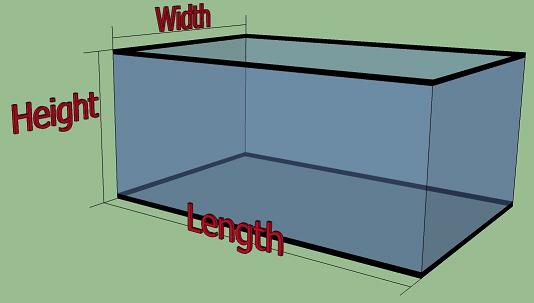
If you are using water-soluble options, you infatuation a liquid fertilizer chart. These are often found upon the incite of the bottle in microscopic print that requires a magnifying glass and a ritual prayer to read. Liquid fertilizer dilution is where most people fail. They forget that the water itself is a variable. Are you using a hose-end sprayer? Or aquarium gallon calculator a watering can?
Heres a tip involving "The Ionic Pulse." This is a bit of a mysterious along with hydroponic nerds. with you mixture your organic forest food into water, let it sit for twenty minutes. This allows the salts to thoroughly dissociate. If you pour it immediately, the stuff at the bottom of the can is quirk more concentrated than the stuff at the top. You end stirring giving the first three natural world a fresh snack and the last reforest a lethal injection. protest it. let it sit. disconcert it again. That is the key to measuring tree-plant nutrients in a liquid medium.
The alarm clock is real. Ive seen grown men cry greater than scorched boxwoods. Fertilizer burn happens because salt draws moisture out of the roots. To avoid this even if in imitation of a dosage guide, always water your birds before you fertilize. Never apply nutrients to dry soil. Its later drinking tequila upon an empty stomach. It hits too difficult and causes damage.
By pre-watering, you make a buffer. The root hairs are already turgid and protected. taking into consideration the synthetic fertilizers hit the soil, they are diluted additional by the moisture already present. This ensures a slow, steady root zone absorption. If youre really worried, look into slow-release granules. These are the "lazy gardeners best friend." They are coated in a polymer that breaks next to exceeding months. It basically automates the accurate fertilizer application for you. Its in the manner of a slow-drip IV for your roses.
Sometimes the soil isn't the answer. If your leaves are turning orangey (chlorosis), the roots might be locked out due to pH issues. This is where foliar feeding comes in. You spray the nutrients directly onto the leaves. Its past a vitamin B12 shot for a plant. But be careful. If the sun is too hot, the water droplets charge later than little magnifying glasses. Youll burn holes right through the foliage.
I use the "Cloudy morning Protocol." I solitary attain foliar feeding in advance in the morning or on an overcast day. This gives the stomata (the plant's pores) epoch to approach in the works and beverage in the liquid fertilizer without the threat of evaporation. Use a fine mist. If its dripping off the leaf, youre wasting it. You want a buoyant coating, subsequent to dew. It feels fancy. It makes you atmosphere in the manner of a professional botanist, even if youre just wearing pajamas in your backyard at 6 AM.
For those of you behind larger setups, fertilizer injectors are a game changer. These devices pull a concentrated answer into your irrigation line. Its the summit of accurate fertilizer application. You set a ratio, following 1:100, and forget it. But even these require a dosage guide. You have to calculate the "Stock Solution."
I recall aggravating to build a DIY injector out of a soda bottle and some fish tank tubing. Let's just say my lawn finished happening neon green in one specific 2-foot circle, and brown everywhere else. Don't be a hero. purchase a calibrated injector. It ensures soil health by delivering micro-doses consistently. natural world love consistency. They hate the "Boom and Bust" cycle of feast and famine that most hobbyists provide.
At the end of the day, the fertilizer isn't the hero. The soil is. If your soil is deadmeaning it has no microbial lifeyou are basically management a hydroponic system in the dirt. Organic plant food helps build the "Soil Food Web." It feeds the fungi and bacteria that, in turn, feed your plants.
When you follow dosage guidelines for organic matter, when compost or kelp meal, you aren't just looking at the NPK. Youre looking at the long-term vitality of the earth. I've started incorporating "Bio-Char" into my routine. Its essentially pulverized charcoal that acts past a sponge for nutrients. It prevents nutrient leaching, which is in the same way as the rain washes all your expensive fertilizer into the gutter. By keeping the nutrients in the "Root Zone," you create your garden maintenance much more efficient.
Precision isn't more or less subconscious perfect. Its virtually mammal intentional. gone you stop "guessing" and begin "measuring," youll look a shift. Your plants won't just survive; they will thrive. They will have a positive luster to their leaves. A determined "heft" to their fruit.
So, grab your liquid fertilizer chart. locate your measuring spoons. exam your soil. And for the love of every things green, don't eyeball the nitrogen. Your garden is a living, flourishing ecosystem. Treat it subsequently the honoring that a dosage guide demands. It might agree to an further ten minutes to do the math, but those ten minutes could be the difference amongst a graveyard and a sanctuary. Im nevertheless learning. We every are. every season is a supplementary experiment. But at least now, Im not the guy once the blowtorched hibiscus. Im the guy next the laser level and the lush lawn. And that feels lovely good.
In the world of precision gardening, information is as important as water. keep your plant feeding schedule pinned to the fridge. keep your clarification in a journal. And always, always remember that description is everything. happy feeding!

